 (989) 239-8838

The Ultimate Guide to Roof Replacement Costs in 2026: What Homeowners Need to Know
The Ultimate Guide to Roof Replacement Costs in 2026
Current Pricing & Budget Planning
Understanding the Key Factors That Influence Your Roof Replacement Budget
The investment required for a new roof in 2026 depends on several interconnected variables, and understanding these elements helps you build a realistic budget from the start. Square footage stands as the most obvious driver: a typical 1,500-square-foot roof surface will cost significantly less than a 3,000-square-foot project, but the relationship is not always linear. Complexity matters just as much. A simple gable roof with minimal penetrations costs less per square foot to replace than a multi-level design with dormers, valleys, and skylights that require careful flashing and detail work.
Roof pitch also plays a direct role in labor costs. Steeper slopes demand additional safety equipment, slower work pace, and specialized skills, which translates to higher per-square pricing. In the Chesaning area, many homes feature moderate to steep pitches designed to shed Michigan’s heavy snow loads, and this regional characteristic influences local pricing norms. Accessibility is another frequently overlooked factor: homes with narrow side yards, mature landscaping, or limited driveway access require more careful material handling and may increase labor time.
Structural considerations can add unexpected expense. If the decking beneath your shingles has suffered water damage or rot, replacement becomes necessary before any new materials go down. During initial inspections, experienced contractors identify these issues early, allowing homeowners to budget accurately rather than face surprise costs mid-project. When evaluating proposals, ask specifically about deck inspection findings and any anticipated structural repairs. Working with a local contractor familiar with Michigan building codes and typical regional wear patterns ensures you receive an honest assessment tailored to your home’s actual condition, not a generic estimate based on national averages.
Material Selection and How It Shapes Your Total Investment
Material choice represents one of the most significant cost variables in any roof replacement project, with options ranging from economical three-tab shingles to premium metal systems. In 2026, architectural shingles remain the most popular choice among Chesaning homeowners, offering an attractive balance between durability, appearance, and cost. These dimensional shingles typically carry warranties of 30 to 50 years and withstand Michigan’s freeze-thaw cycles better than basic alternatives. Expect material costs for quality architectural shingles to run between $95 and $165 per square (100 square feet), not including labor or underlayment.
Metal roofing has gained considerable traction in the region, particularly among homeowners planning to stay in their homes long-term. Standing seam metal roofs deliver exceptional longevity, often exceeding 50 years with minimal maintenance, and excel at shedding snow, an important consideration given our typical winter accumulation. Material costs for metal systems start around $275 per square and can exceed $450 for premium finishes and gauges. While the upfront investment runs substantially higher than asphalt, the life-cycle cost often favors metal when you account for the elimination of a second replacement within your ownership period.
Beyond the surface material itself, underlayment quality matters more than many homeowners realize. Synthetic underlayment offers superior tear resistance and weather protection compared to traditional felt, adding roughly $20 to $35 per square to material costs but providing meaningful protection during installation and throughout the roof’s life. Ice and water shield, a self-adhering membrane applied to vulnerable areas like eaves and valleys, adds another layer of defense against Michigan’s harsh winter conditions. Quality contractors include these protective layers as standard rather than optional upgrades. If you are weighing material options for your home, our team can walk you through samples and help you evaluate which system aligns best with your budget timeline and aesthetic preferences. Visit our roof replacement services page to learn more about the materials we install.
Breaking Down Labor Costs and What They Include
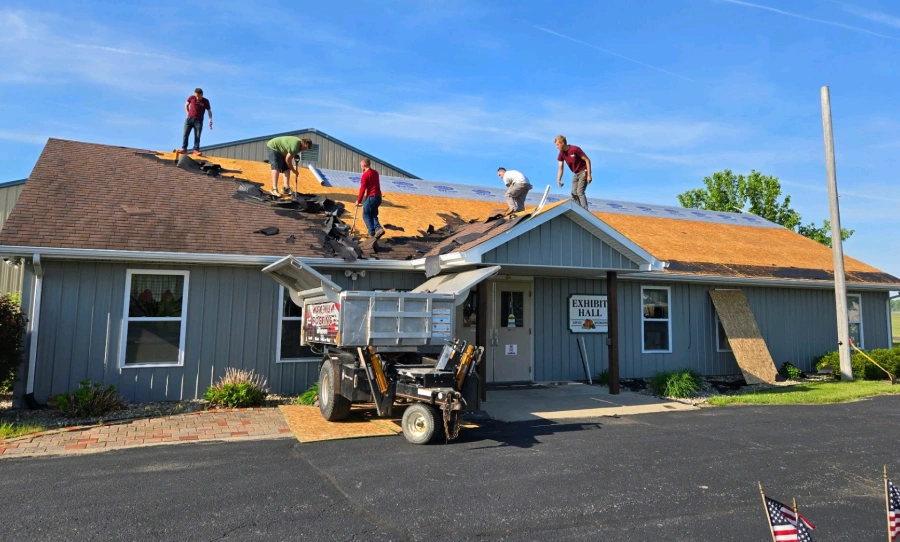
Labor typically accounts for 40 to 60 percent of your total roof replacement cost, and understanding what this investment covers helps you evaluate proposals more effectively. Professional installation begins with a complete tear-off of existing materials, a process that demands careful execution to protect your landscaping, siding, and home interior. Crews systematically remove old shingles, inspect and repair decking as needed, and ensure proper disposal of debris. In Michigan, disposal costs have increased in recent years, and responsible contractors include this expense in their labor pricing rather than presenting it as an unexpected add-on.
Once the deck is prepared, skilled installers apply underlayment, ice and water shield, and drip edge before laying the first shingle. Proper flashing installation around chimneys, vent pipes, and wall intersections requires both technical knowledge and hands-on experience. These vulnerable transition points are where most leaks originate years down the road, making quality installation the difference between a roof that lasts its full warranty period and one that develops problems prematurely. Experienced crews work efficiently without sacrificing attention to detail, completing most residential projects in two to four days depending on size and complexity.
Regional labor rates vary based on local cost of living, seasonal demand, and crew experience level. In the Chesaning area, expect labor for a standard architectural shingle installation to range from $85 to $150 per square, with steeper pitches, complex layouts, and premium materials pushing toward the higher end. Spring and early summer represent peak seasons for roofing work in Michigan, and some contractors charge modest premiums during these high-demand months. Fall installations, completed before snow arrives but after the summer rush subsides, sometimes offer better availability and more flexible scheduling. When comparing bids, look beyond the bottom line to understand exactly what labor tasks are included and whether the crew carries proper insurance and workers’ compensation coverage. Our installation process prioritizes both efficiency and meticulous attention to the details that ensure long-term performance.
When Repair Makes More Sense Than Full Replacement
Not every roofing problem demands a complete replacement, and understanding when targeted repairs offer better value protects you from unnecessary expense. If your roof is less than 15 years old and damage remains localized to a specific section, repair often provides the most cost-effective solution. Storm damage from fallen branches, isolated wind lift, or a small leak around a single penetration can typically be addressed for a fraction of replacement cost, especially when the surrounding roofing material still performs well.
Age becomes the critical deciding factor in the repair-versus-replace calculation. A roof approaching the end of its expected lifespan, typically 20 to 25 years for architectural shingles in Michigan’s climate, rarely justifies significant repair investment. Shingles exhibit warning signs as they age: granule loss that exposes the underlying mat, curling or cupping at the edges, and brittleness that leads to cracking. When these conditions appear across multiple roof planes rather than in isolated spots, replacement delivers better long-term value than a series of patch jobs that merely delay the inevitable.
The extent of damage also guides the decision. If more than 30 percent of your roof surface shows deterioration, the cost of widespread repairs begins to approach replacement pricing, and you gain minimal additional service life. Water damage that has compromised decking requires immediate attention regardless of the surface material’s age, since structural integrity cannot be restored with surface repairs alone. During inspection, honest contractors distinguish between problems that genuinely require full replacement and those that can be addressed more economically. Michigan’s severe weather patterns, including heavy snow loads, ice damming along eaves, and occasional high winds, accelerate normal wear, and local professionals understand which damage patterns signal that replacement is the prudent choice. If you are uncertain whether your situation calls for repair or replacement, our team provides thorough assessments at no charge. Learn more about our repair capabilities and when they represent the right solution.
Getting Accurate Estimates and Planning Your Project Timeline
Obtaining detailed, accurate estimates stands as your most important preparation step, and the process reveals much about how a contractor approaches their work. Quality estimates begin with an on-site inspection, never a phone quote based solely on square footage. During this visit, the contractor measures your roof, evaluates pitch and complexity, inspects accessible decking from the attic, examines flashing and ventilation, and identifies any structural concerns. This thorough assessment takes 45 minutes to an hour for most homes, and contractors who rush through in 15 minutes often miss details that lead to change orders later.
A complete written estimate should itemize materials by type and quantity, specify labor separately, include disposal costs, and detail any additional work such as decking replacement, fascia repair, or gutter adjustments. Avoid estimates that present only a single total figure without supporting detail. This transparency allows you to compare proposals on equal footing and understand exactly what you are purchasing. Request information about warranties as well: both manufacturer coverage on materials and workmanship guarantees from the installer. Quality contractors stand behind their installations with multi-year labor warranties that protect you if installation defects emerge.
Timeline planning requires coordination between your schedule, material availability, and weather windows. Once you sign a contract, material ordering typically takes one to two weeks, with certain specialty products or custom colors occasionally requiring longer lead times. Most residential installations are completed in two to four days, though complex projects or weather delays can extend this window. In Michigan, the installation season runs from April through November, with July through September offering the most reliable weather windows. Spring books up quickly as homeowners address winter damage, so scheduling your project in early summer or fall often provides more flexibility. If storm damage or an active leak demands urgent attention, experienced local contractors maintain relationships with suppliers that allow faster material procurement. When you are ready to move forward, contact us for a free estimate and we will walk you through every step of the process, from initial assessment through final inspection, ensuring you understand your investment completely before any work begins.